A Father Is Built, Not Born
It is the Saturday before Father’s Day, and the corner of Greenwich and Duane in Tribeca has the particular quiet that belongs to families.
A father kneels on the sidewalk beside a small bicycle, working patiently at a chain that has slipped loose.
Another walks past with a sleeping toddler against his chest, one hand under her weight, the other holding a coffee carefully away from her head.
Neither man looks remarkable, and that is the part worth noticing.
For a long time we treated fatherhood as something that arrived fully formed, a title conferred in a single moment. The science is starting to suggest something quieter and more interesting. Fatherhood is built. Not in the delivery room or on a certificate, but slowly, through the repetition of showing up.
In her book Dad Brain, the psychologist Darby Saxbe sets out what happens to men as they become fathers. There is no separate mother’s brain and father’s brain. There is a parenting brain, and it develops through experience. Involved fathers show measurable changes in their brain structure and hormones, and the caregiving itself is part of what drives them.
The men whose brains changed the most were not the ones who felt instantly transformed. They were the ones who spent time caring for their children and kept doing it. The biology followed the behavior rather than leading it.
I find that reassuring, maybe because I rarely meet fathers at the point where they are fixing bicycle chains in Tribeca. I meet them years earlier. Before there is a child. Before they even know whether fatherhood will be part of their story at all.
Most of the people I work with are standing somewhere inside a decision: a second opinion, an IVF cycle, donor eggs, a surgery that turned out harder to answer than it looked.
My work is narrow on purpose. I am an operator, not a concierge. I do not sell hope. I help one person get clear on one decision that is theirs, and then I step back.
And almost always, there is a man sitting quietly beside the conversation. Present and invested, and somehow still peripheral. Fertility has a habit of speaking to the woman even when the future belongs to two people. The appointments and the forms are addressed to her, and the man is told he will be needed later.
What struck me in Saxbe’s work was how familiar that sounded. Many fathers describe feeling outside the circle before they find their place inside it. Not because they lack the capacity to care, but because they have not yet had the chance to practice it.
If fatherhood is built rather than born, the building begins earlier than we tend to imagine. It begins in the decisions and the difficult conversations, in the willingness to stay engaged when nothing is guaranteed. The capacity to become a good father is not fixed, and it is not something a man simply has or lacks. It develops, gradually, in the ordinary practice of caring. Which means the men who feel outside the circle today may just be earlier in the same process.
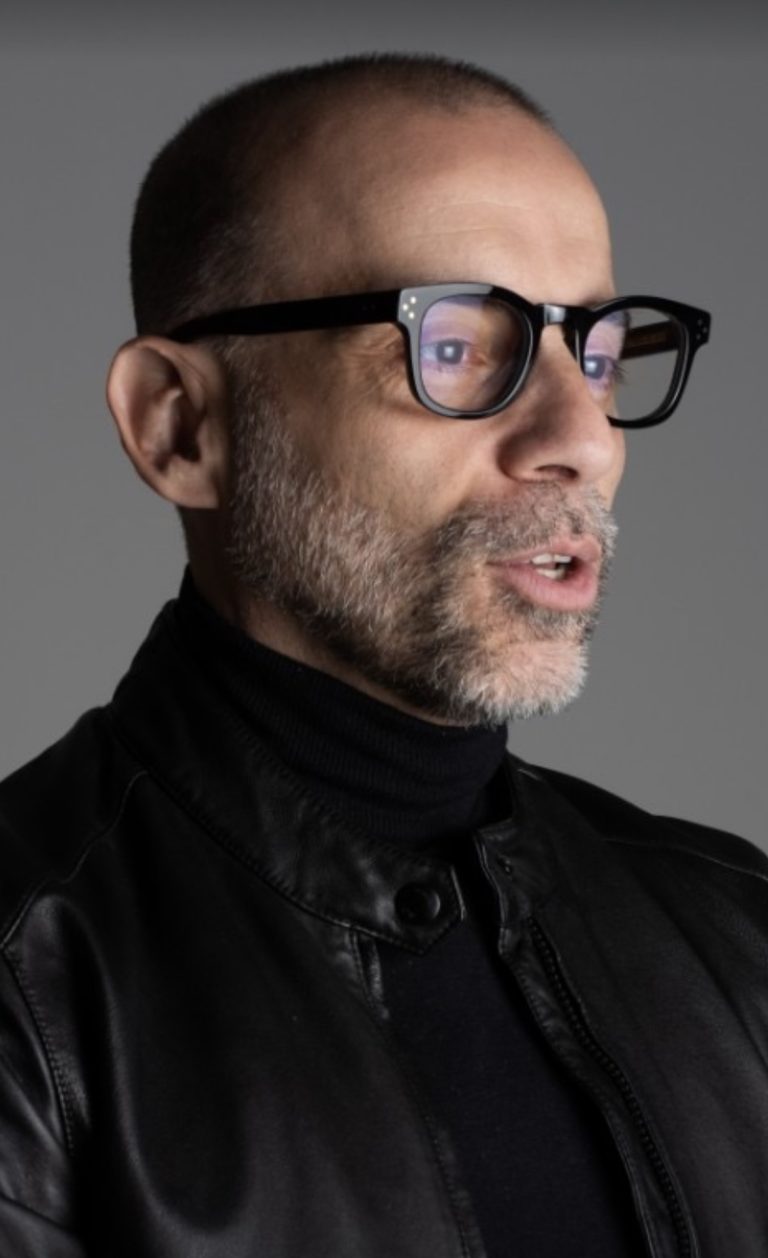
Yorgos Spyrakis Private Fertility & Surgical Navigation Athens and New York
Clarity. For your specific decision.
Prompted by Dr. Darby Saxbe’s conversation with Dr. Sanjay Gupta on CNN’s Chasing Life podcast.
Disclaimer: This article is for general information and is not medical or legal advice. I am fully independent. Clinical decisions should be made between patients and their treating physicians.